
Cherokee County Criminal History Checks
Begin with the kind of event, not just a name. A felony file belongs with the Cherokee County District Clerk. A Class A or B misdemeanor belongs with the County Clerk and County Court at Law. Fine-only Class C charges remain with a justice or municipal court. Recent custody calls for the county jail, while the agency whose officer made an arrest keeps its own incident narrative. The Texas Department of Public Safety adds public conviction and deferred-adjudication data from across the state, but it does not replace a local case file.
Gather the full name, spelling variants, an approximate event date, and any case, incident, citation, or booking number already known. Use only the identifiers an office needs. A case number is often more useful than a broad name request, and it avoids many common-name errors.
- Identify whether the target is an agency report, booking, filed case, statewide history, or custody record.
- Contact the record creator or clerk and give a narrow date range plus a known record number.
- Check a second layer, such as the filed court case after reviewing an arrest or booking entry.
- Compare names, dates, agencies, charges, and outcomes before treating two entries as the same event.
- Request a certified court copy or fingerprint-based personal review when identity or final disposition matters.
Note: A missing online result can reflect limited coverage, a late report, a restricted file, or a search mismatch rather than no record.
Cherokee Criminal Records Split by Clerk
The courthouse at 135 South Main in Rusk has two key criminal-record custodians. The District Clerk, on the second floor, keeps felony filings for the 2nd and 369th District Courts. Its published counter hours are 8 a.m. to noon and 1 p.m. to 4 p.m., Monday through Friday. The office can be reached at 903-683-6908 or dcoffice@cocherokee.org. A midday visit can fail if the split schedule is missed.
The County Clerk handles filings for the County Court at Law, which hears Class A and B misdemeanors and Class C appeals. Its number is 903-683-2350, while the court lists 903-683-6497. A posted docket can show a scheduled setting, but it is not a full name-based criminal history search. Ask the clerk for the docket sheet, charging instrument, orders, judgment, sentence, and certified copies that fit the need.
District Clerk
135 S. Main, 2nd Floor
Rusk, TX 75785
903-683-6908
dcoffice@cocherokee.org
County Clerk
County Court at Law filings
Rusk, Texas
903-683-2350
Fax: 903-683-2457
Official Background Checks in Texas
The Texas Department of Public Safety Crime Records Division maintains the Computerized Criminal History repository. Its public name product shows conviction and deferred-adjudication information that Texas law permits DPS to release. A name and date of birth do not prove identity. DPS says fingerprints are the only positive way to connect a person to a Texas criminal-history record.
The public search uses account credits. DPS states that one credit costs $1, a credit-card purchase adds 2.25% per credit plus a $0.25 transaction fee, and a no-match query still spends a credit. The DPS Conviction Name Search screen illustrates the official state route used for Cherokee County criminal record checks.
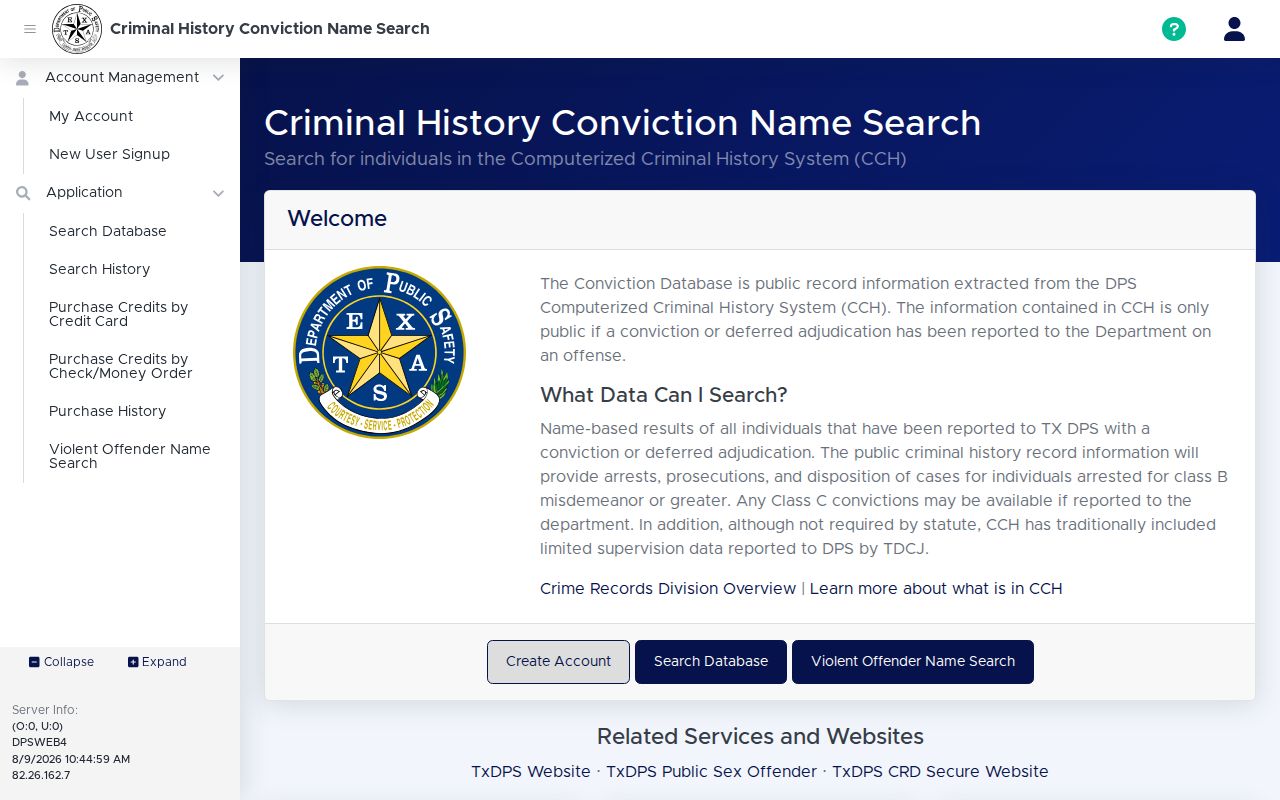
The state search is useful for public Texas outcomes, but a Cherokee County clerk remains the source for local pleadings, docket detail, and a certified judgment.
| Official route | Base cost | Main limit |
|---|---|---|
| DPS online name search | $1 credit, plus stated card fees | Name match is not positive identification |
| DPS offline public name check | $10 | Public data only; mailed processing is slower |
| Texas Personal Review | $15 DPS plus $10 FAST | For review of one's own fingerprint-linked record |
| FBI Identity History Summary | $18 paid to FBI | Subject-only federal process with fingerprints |
Cherokee Sheriff Records Request Fallback
Cherokee County does not publish one sheriff portal that searches every report, booking, or warrant by name. The official Sheriff's Office page instead directs open-records requests to records@cocherokee.org or by fax to 903-683-2813 marked “ATTN: Records.” Mail or in-person inquiries go to 272 Underwood Street, Rusk, TX 75785, and the general sheriff line is 903-683-2271. No fixed records-counter hours, copy fee, web form, or promised response time is posted, so confirm those details before travel.
A written request works best when it names an existing record. State whether the request seeks an incident report, arrest report, booking file, jail log, or warrant record. Add the approximate date, involved agency, known incident or booking number, and desired format. Ask for a cost estimate. If a city officer created the report, send a separate request to that city police department because county booking does not transfer custody of the police narrative.
| Channel | Confirmed method | Use |
|---|---|---|
| records@cocherokee.org | Focused written records request | |
| Fax | 903-683-2813, ATTN: Records | Written request with delivery proof |
| Phone | 903-683-2271 | Confirm custodian and current procedure |
| Mail or counter | 272 Underwood St., Rusk | Ask first about access, hours, and payment |
Kinds of Criminal Records
A Cherokee County criminal history is built from separate records. An officer makes an incident or arrest report. Jail staff make a booking record. A prosecutor decides what charge to file, if any. A clerk then records pleadings, hearings, disposition, and sentence. DPS receives fingerprint and disposition reports for its statewide system. Each layer answers a different question and can update at a different pace.
- Police and sheriff reports: describe the agency's investigation and alleged basis for action.
- Booking records: document county jail intake, charge entries, bond, custody, and release or transfer.
- Court files: show filed charges, docket events, pleas, orders, outcome, and sentence.
- DPS history: joins Texas fingerprint-supported cycles and reported public dispositions.
- Custody records: distinguish local jail status from TDCJ or federal imprisonment.
One source cannot safely stand in for the others. An arrest can lead to no charge, a filed charge can differ from the first allegation, and a court dismissal can reach DPS after the local docket changes.
Cherokee Criminal Records Reach DPS
The local record chain starts when an agency books a person for a reportable offense and submits identifiers, charges, and fingerprints. A prosecutor later reports whether the allegation was rejected, changed, or filed. Cherokee County clerks report court events such as dismissal, deferred adjudication, conviction, and sentence under Texas Code of Criminal Procedure Chapter 66. DPS matches those events inside the statewide repository.
Record flow: Arresting agency › Cherokee County booking › prosecutor and clerk reports › Texas DPS Computerized Criminal History.
Late or unmatched dispositions can leave gaps. When the statewide result and local file disagree, start with the certified Cherokee County judgment, then use the DPS criminal-history error-resolution process. A fingerprint-based personal review gives the subject the soundest identity match.
The official IdentoGO Texas location finder is the current scheduling source for FAST fingerprint capture.

Use service code 11FT12 for a Texas Personal Review and confirm the live location and appointment details before leaving Cherokee County.
Cherokee County Criminal Records: What They Contain
A full event cycle can carry identity data, arrest facts, prosecution action, court charges, and the final result. Court records usually add more detail than the DPS public product. They may identify the case number, court, judge, filed documents, bond, hearings, costs, judgment, and sentence. Booking material places more weight on intake, custody, arresting agency, and release.
| Name and identifiers | Reported name, aliases, date of birth, physical descriptors, SID or FBI number where releasable |
|---|---|
| Arrest and booking | Date, agency, booking number, alleged charge, bond, custody and release or transfer |
| Filed case | Case number, court, charging instrument, statutes, lawyers, motions and hearings |
| Disposition | Pending, dismissal, acquittal, deferred adjudication, conviction or another recorded outcome |
| Sentence | Custody term, fine, restitution, community supervision and related court orders |
| Restrictions | Redactions for protected identifiers, victims, juvenile files, sealed or expunged material |
“Disposed” means the court has completed the case. It does not always mean conviction. “No-bill” means a grand jury did not return an indictment, while deferred adjudication postpones a finding of guilt during court-ordered supervision.
Cherokee Arrest Records or Prison Records
Current or recent local custody starts with the Cherokee County Jail at 903-683-6365. The sheriff also links VINELink for custody status and notification. VINELink is not the arrest narrative, booking document, or final court disposition. If documentary proof is needed, send the focused sheriff records request and then check the correct clerk for any filed charge.
A person serving a state sentence belongs in the TDCJ Inmate Information Search, not the county jail inquiry. Federal custody is separate again. The Federal Bureau of Prisons Inmate Locator shows the federal search channel used when a Cherokee County name belongs to a federal case.
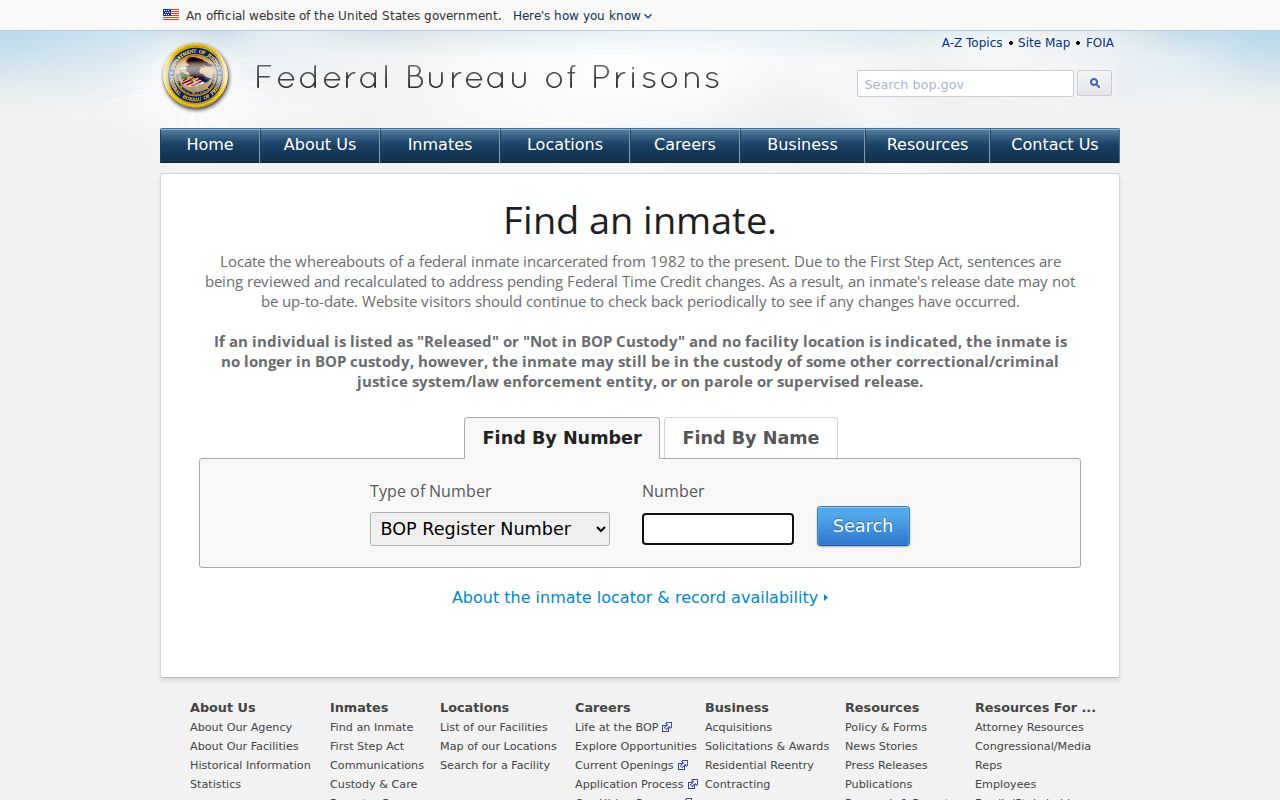
The federal locator does not search Cherokee County jail records or Texas prison custody. Court dockets and the responsible custodian remain necessary to explain why and where a person is held.
Texas Public Access Laws
The Texas Public Information Act applies to records held by covered government bodies, including police and sheriff material, subject to exceptions. Courts are outside that act, so a request for a filed criminal case should go to the proper clerk under court-record law and rules. DPS disclosure is narrower still: Government Code section 411.135 authorizes the public conviction and deferred-adjudication product, not the subject's whole fingerprint-linked file.
The Texas Attorney General's public-record guidance explains how to describe existing records and keep proof of a request.
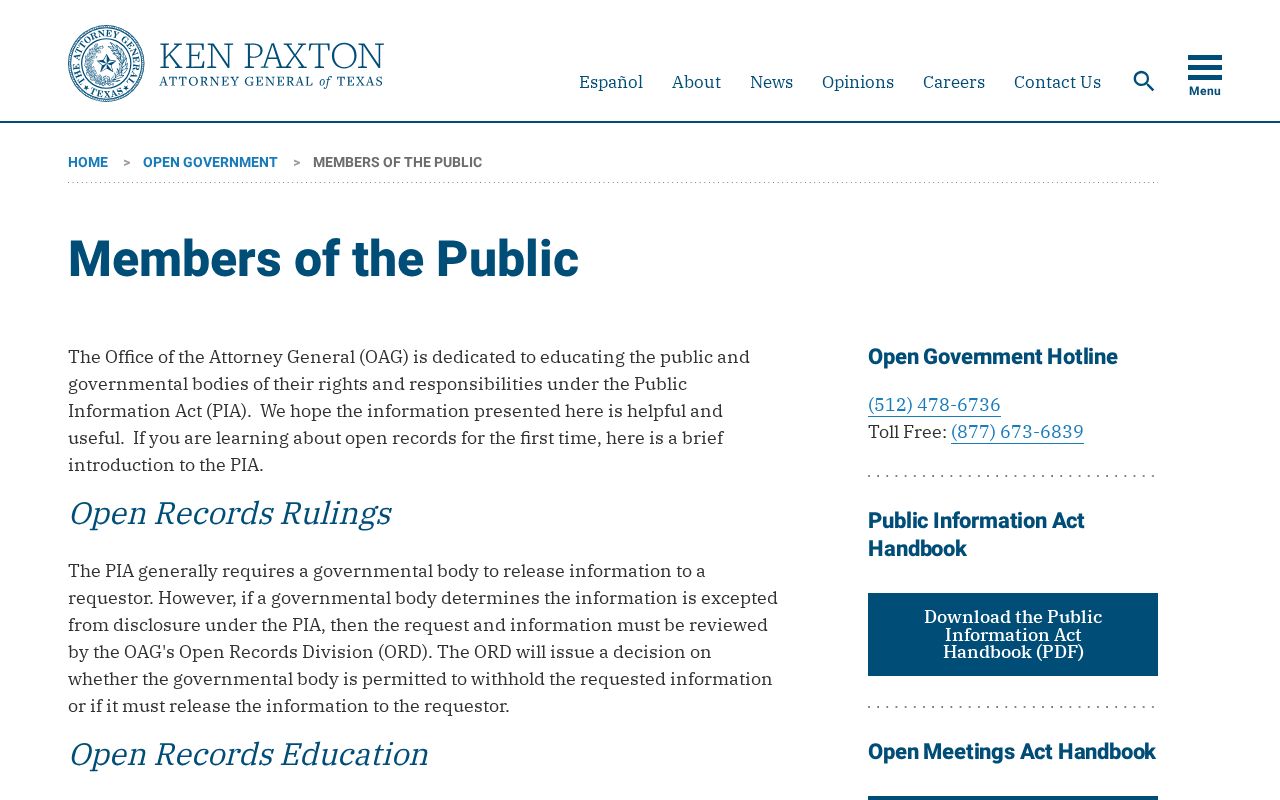
That guidance helps with sheriff and city police requests. It does not turn a broad question into a record the agency must create.
Key Texas laws:
Government Code Chapter 552 opens government records subject to stated exceptions.
Government Code section 411.135 controls public DPS conviction and deferred-adjudication data.
Code of Criminal Procedure Chapter 66 sets criminal-history reporting duties.
Code of Criminal Procedure Chapter 55A governs Texas expunction.
Cherokee County Warrant Record Chain
No verified Cherokee County countywide active-warrant search or current most-wanted page was found in the official sources. A warrant check must follow the issuing court. The District Clerk may show a felony capias event, the County Clerk handles misdemeanor case files, justice courts keep their precinct matters, and municipal courts keep city fine-only warrants. The sheriff can be asked what information is releasable, but the DPS conviction search is not a statewide public warrant tool.
Call the issuing court and the Sheriff's Office through verified numbers. Ask for the case number, issuing court, allegation, status, and that court's accepted way to address the matter. A public-record request can document a warrant. It does not clear one. Do not assume that a phone call prevents arrest, and do not pay an unsolicited caller who claims a warrant exists.
- Arrest warrant
- A court order directing custody based on a criminal accusation.
- Capias
- A court command to take a named person into custody in an existing matter.
- Capias pro fine
- Process tied to enforcement of an unpaid fine or judgment in an eligible case.
- Search warrant
- Authority to search a place or item, not a public wanted-person listing.
Restricted, Sealed & Expunged Records
Texas expunction and nondisclosure do different work. Chapter 55A expunction can direct agencies named in an order to destroy or return qualifying arrest records. An order of nondisclosure generally seals eligible criminal-history information from ordinary public view while preserving access for listed government and licensing bodies. A dismissal alone does not prove either remedy applies.
Eligibility turns on the exact arrest cycle, offense, outcome, waiting rule, and prior history. Cherokee County filing starts by confirming the court with jurisdiction and the current civil filing fee with the District Clerk. A petition must identify the arrest, charge, court, and all agencies believed to hold copies. After an order, a fingerprint-based DPS Personal Review can help test whether the statewide record was updated.
| Remedy | General effect | Key distinction |
|---|---|---|
| Expunction | Qualifying records are destroyed or returned as ordered | Texas Chapter 55A controls exact eligibility |
| Nondisclosure | Eligible CHRI is sealed from ordinary public release | Listed government access can remain |
Note: A portal's blank response does not prove that Cherokee County criminal records were expunged, sealed, or never created.
Cherokee Criminal Records Cross City Lines
The 2020 Census counted 50,412 people across about 1,053 square miles in Cherokee County. Jacksonville is the largest city, but Rusk is the county seat and the hub for the county jail and main criminal clerks. That distance and split custody make a call before travel useful. A Jacksonville police report stays with Jacksonville even when a later booking or felony file is held in Rusk.
Bullard creates another local trap because the city crosses Cherokee and Smith counties. A Bullard municipal citation stays with Bullard Municipal Court, while the location of the event controls which county may hold a jail booking or higher criminal prosecution. Citywide population counts do not decide venue. The record should be traced by incident location, arresting agency, issuing court, and booking county.
City-by-City Criminal Records in Cherokee County
Jacksonville, Rusk, and Bullard are Cherokee County's three largest incorporated cities by the official 2020 Census place count. Each police department keeps its own agency reports, and each municipal court handles its fine-only city docket. These city record pages explain the local counter, request route, and handoff to county offices.
Jacksonville Record Check
Population 13,997 · Police requests and municipal citations use separate city channels.
Rusk Record Check
Population 5,285 · City records share a town with distinct county custodians.
Bullard Record Check
Population 3,318 · The incident location resolves the two-county routing issue.
Cherokee Records Without a Search Portal
When no public name box exists, a focused request is the digital fallback. Describe the existing record instead of asking the office to research a life history. Give the creator, record type, narrow date range, incident location, and known file number. Ask for electronic copies or inspection and request an estimate before large copying or video-redaction costs accrue.
The official Texas Public Information Act text is the source for the state access framework used by Cherokee County agencies.
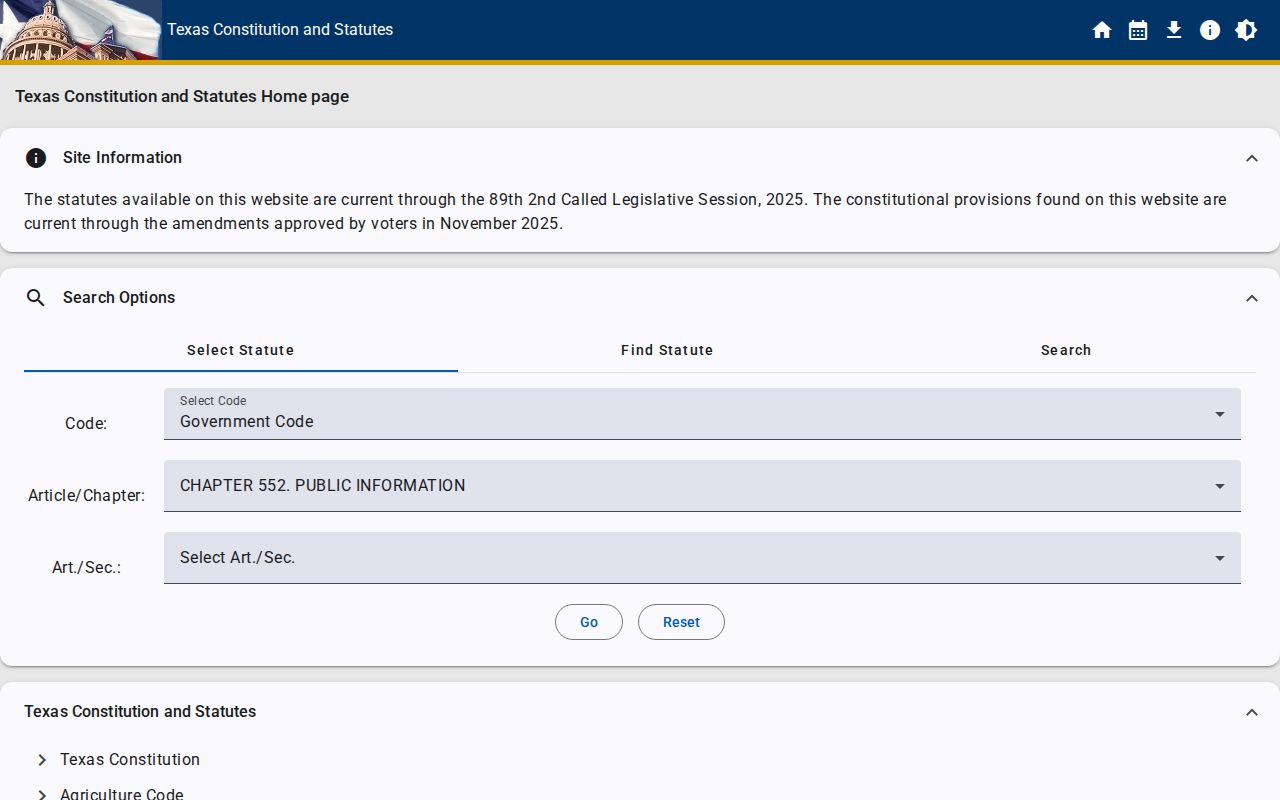
Keep submission proof and allow for lawful redactions. Active-investigation facts, juvenile information, protected victim details, and private identifiers may be withheld even when the agency found the responsive report.